Welcome, Guest
Login/Register
Source: sayerji@substack.com Sayer Ji – Truth, Sovereignty, Wellness
In the video above, Dr. Arjan Khalsa walks through the simple, traditional preparation of haldi doodh — turmeric paste cooked into warm milk, sweetened lightly, and finished with a healthy oil. It is one of the oldest medicinal preparations in continuous human use. It is also one of the most thoroughly researched.
Turmeric (Curcuma longa) and its principal active constituents — the curcuminoids — are now the subject of thousands of peer-reviewed studies indexed on the GreenMedInfo Turmeric Research Page, spanning more than 800 demonstrated health benefits. Few interventions in the natural materia medica enjoy a comparable depth of evidence.
What follows is the recipe Dr. Khalsa demonstrates, plus a brief look at what the most recent clinical literature actually says about why this golden cup of milk has earned its place in kitchens from Punjab to Palm Beach.
Ingredients
Method
This concentrated paste is the foundation. From here, you can build golden milk, golden rice, golden yogurt, or simply take a half-teaspoon directly twice daily — Dr. Khalsa’s recommendation for those in significant pain.
Ingredients
Method
A note on the oil and the pepper: these are not optional flourishes. They are pharmacological enhancers — and the modern research on why is some of the most interesting in the entire turmeric literature.
Curcumin, the principal curcuminoid in turmeric, is famously difficult for the human body to absorb. A landmark 1998 study at St. John’s Medical College in Bangalore changed our understanding of this problem forever: the addition of piperine — the active compound in black pepper — was shown to increase curcumin bioavailability by 2,000 percent in healthy human volunteers.
A 2023 study published in Pharmacology Research & Perspectives using modern LC-MS/MS quantification confirmed the mechanism in elegant detail. Black pepper increased curcumin’s half-life from roughly 2.2 hours (curcumin alone) to 4.5 hours, and the 24-hour urinary excretion was more than four times higher in volunteers consuming curcumin with pepper than those receiving curcumin alone. Piperine works by inhibiting glucuronidation — the metabolic process by which the liver and intestines tag curcumin for rapid elimination — giving the molecule far more time to do its work.
Cooking the turmeric in fat (the oil and the milk fats) further enhances absorption, since curcuminoids are fat-soluble. This is why every traditional preparation — from Indian curries to Okinawan tea — pairs turmeric with a fat source. The grandmothers were right.
The mechanistic picture has come into sharp focus over the past decade. A comprehensive 2025 review in Frontiers in Pharmacology describes curcumin’s core anti-inflammatory action as a coordinated downregulation of three master inflammatory pathways: the NF-κB signaling pathway, the MAPK/ERK phosphorylation cascade, and the JAK/STAT pathway. In plainer terms, curcumin interrupts the cellular signaling that drives chronic inflammation at the source — rather than simply masking its downstream symptoms.
Curcumin also appears to suppress COX-2 (the same enzyme targeted by NSAIDs like ibuprofen and celecoxib) without producing the gastrointestinal damage associated with chronic NSAID use, because it does not inhibit the protective COX-1 enzyme that maintains gastric mucosa.
If you want to see whether a remedy works in the real world, look at the joints. Knee osteoarthritis has emerged as the most rigorously studied clinical application of curcumin, with multiple meta-analyses now pooling data from thousands of patients.
A 2022 systematic review and meta-analysis published in BMC Complementary Medicine and Therapies synthesized 15 randomized controlled trials covering 1,670 patients and concluded that curcuminoids alone can be expected to achieve considerable analgesic and functional improvement in patients with symptomatic knee osteoarthritis in the short term, without inducing an increase in adverse events.
A 2023 Bayesian network meta-analysis published in the Journal of Ethnopharmacology went further, pooling 23 studies across 7 countries with 2,175 patients. The results were striking: curcumin significantly reduced the visual analog scale pain score and the total WOMAC score compared with placebo, and curcumin was associated with a roughly 50 percent reduction in adverse events compared with NSAIDs.
In other words: comparable pain relief to conventional anti-inflammatory drugs, with a substantially better safety profile.
Dr. Khalsa’s clinical observation, drawn from years of practice, is that patients with significant inflammatory pain who take a half-teaspoon to a teaspoon of the paste twice daily often notice meaningful improvement within three to four days. For maintenance and general wellness, a single cup of golden milk before bed — supporting both anti-inflammatory and sleep-related calcium-magnesium pathways — is the traditional Ayurvedic protocol.
A few practical notes:
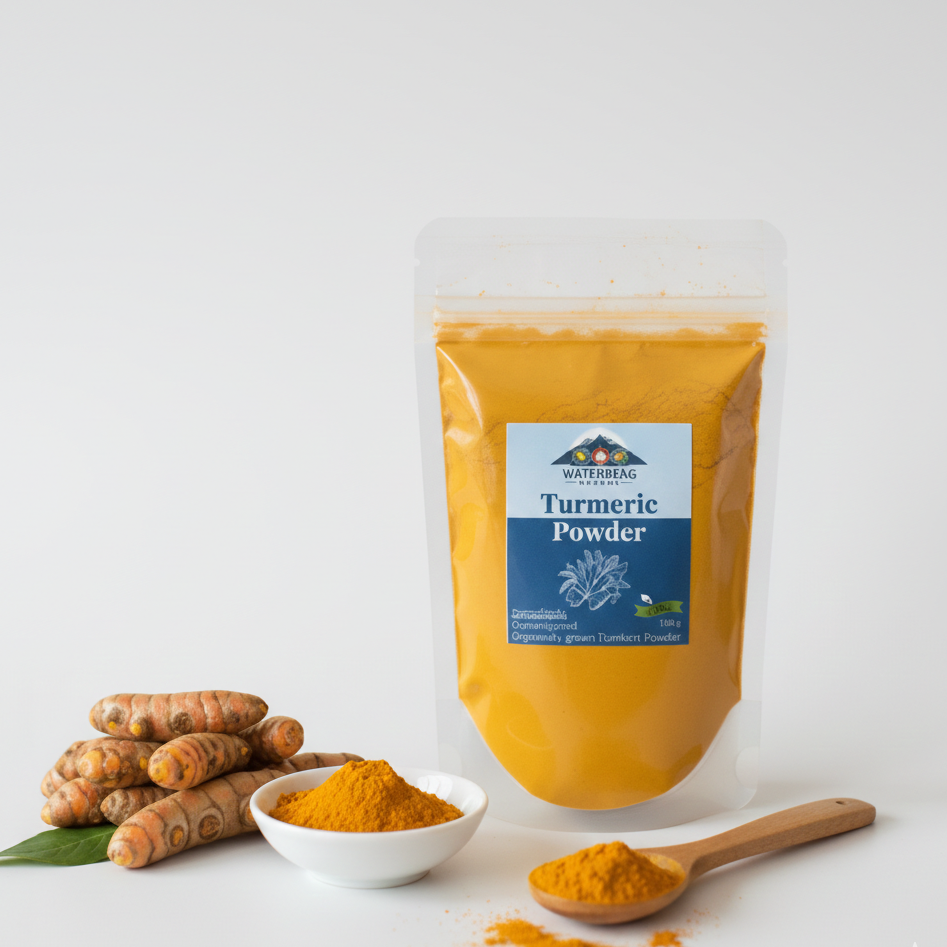
Quality matters. Source organic, non-irradiated turmeric powder from a reputable supplier. Adulteration with lead chromate and other yellowing agents has been documented in low-grade commercial turmeric.
Glass over plastic. Always store the paste in glass. Plastic containers leach endocrine-disrupting compounds, especially when filled with warm or fat-containing foods.
Be patient with effects. Curcumin works at the level of gene expression and signaling pathways. It is not a fast-acting analgesic. Most clinical benefits emerge over 7 to 30 days of consistent use.
Consult a practitioner if you take blood thinners. Curcumin has mild antiplatelet activity. Anyone on warfarin, clopidogrel, or similar medications should speak with a knowledgeable clinician before high-dose use.
***
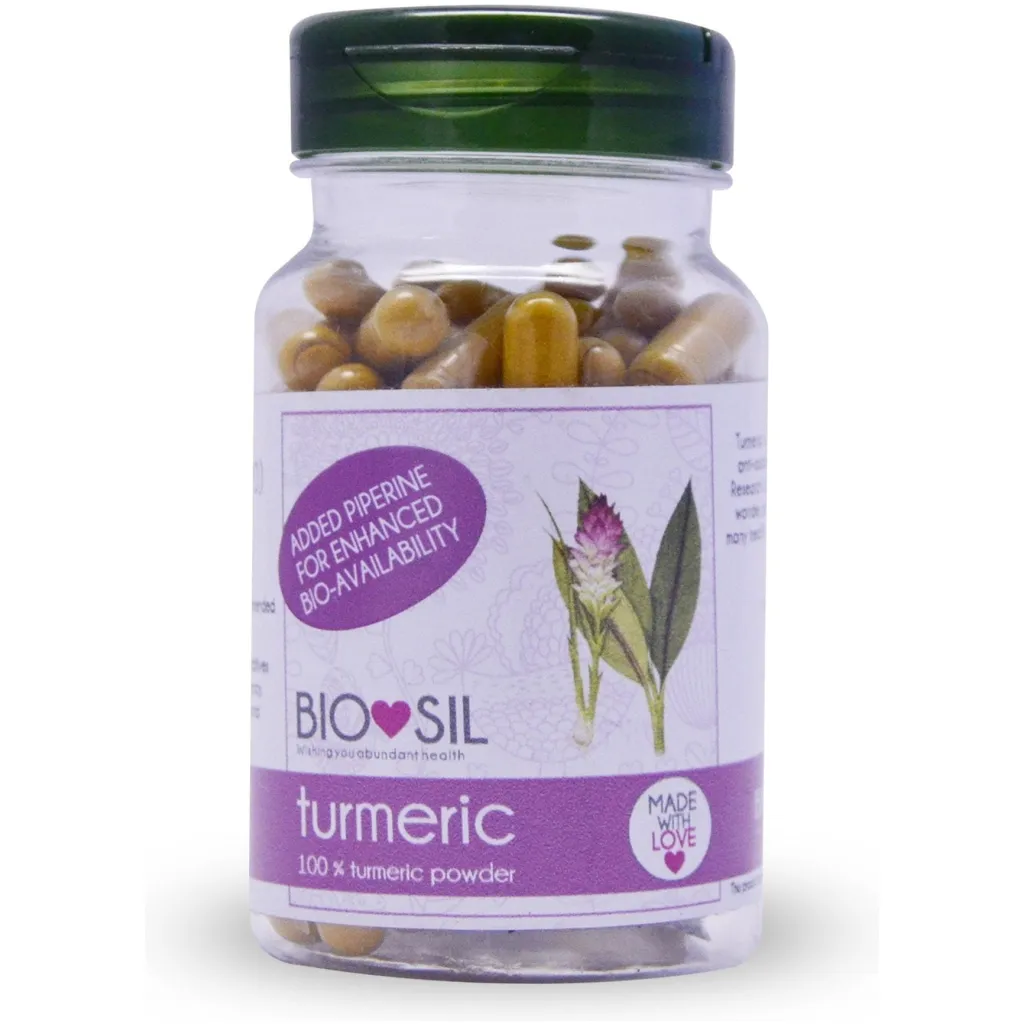
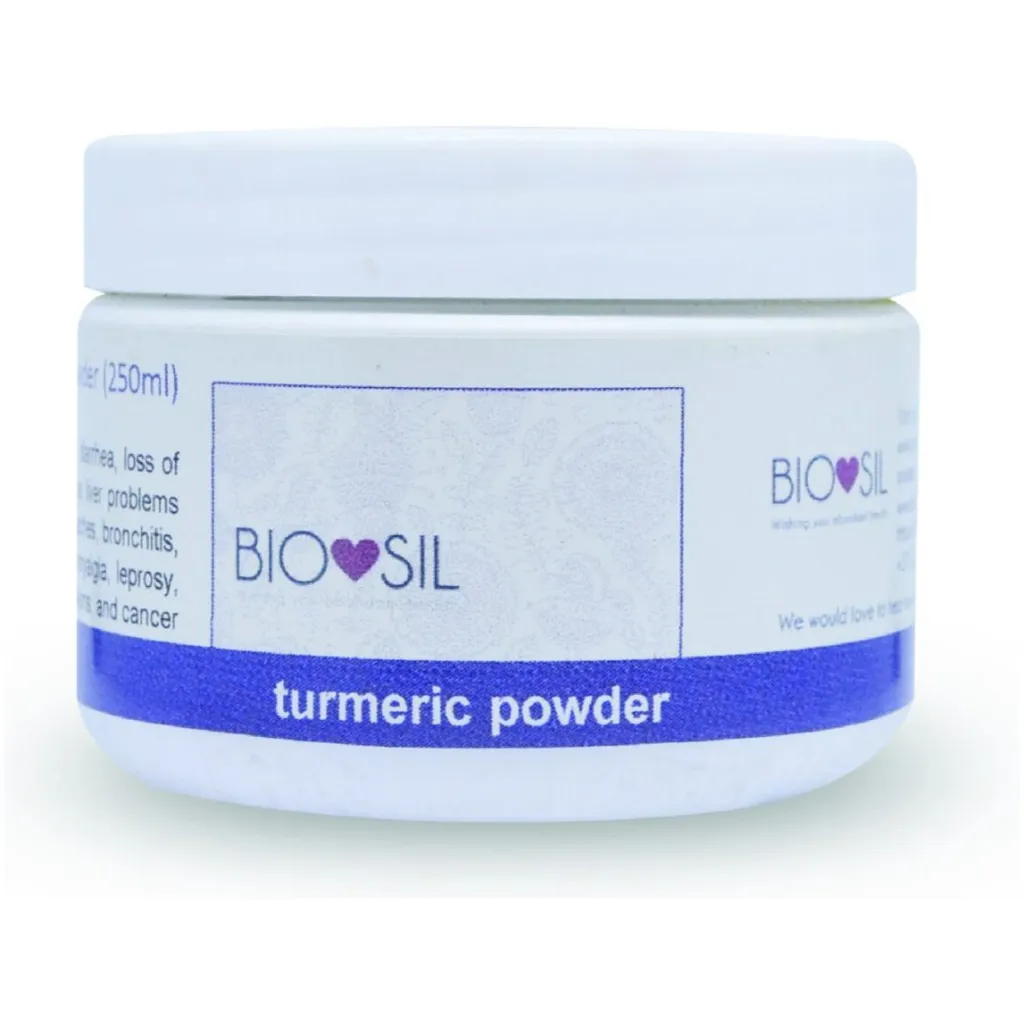
Please note that Bio-Sil’s Turmeric already contains Black Pepper (Piperine) so not necessary to add unless you so desire.