
Welcome, Guest
Login/Register
Food manufacturers and marketers have known about the importance of crunchiness for consumer pleasure — and addictiveness — for decades. In the 1960s, Lay’s potato chips’ slogan was, “Bet you can’t eat just one.” And they almost always won that bet.
For full article / resources and lovely recipes, please visit this link:
https://foodrevolution.org/blog/healthy-crunchy-snacks/
I’m no stranger to the allure of a good potato chip. When my twins were nine years old, the older one (by six minutes) was a potato chip fiend. When I brought out a bag of organic Kettle chips, I’d try to limit him to five chips. Instead, he’d grab 10 or 20, or rouse himself to full tantrum mode if I intervened. Sometimes, this ended with him in his room, door locked, as he consumed the entire bag in defiance.
At the supermarket, he’d maneuver us to aisle four and engage in a DEFCON 1 meltdown if I refused to allow the bag into the cart.
When I turned to my wife for advice, she told me the one thing I didn’t want to hear. If I didn’t want to fight our son about potato chips, maybe I should stop bringing them into the house.
Like any addict, I went through a period of mental agony and soul-searching, and eventually admitted to myself that my wife was right; to help my son, I was going to have to help myself first. And that’s what I did. I stopped buying potato chips. And within a short while, the issue was resolved. No arguments. No negotiations. No tantrums. And miraculously, no more visits to aisle four.
But I admit it wasn’t easy for me. Which showed me what the Pringles researchers learned: Crispy foods can exert a powerful hold over us. And the food industry engineers the “crunch factor” in its products to intensify our cravings and addictions to extremely unhealthy foods.
So what’s the deal? Why is crunchy food so appealing? And what are some crunchy, healthy alternatives to potato chips, Cheetos, pretzels, and other staples of the crunch-iverse?
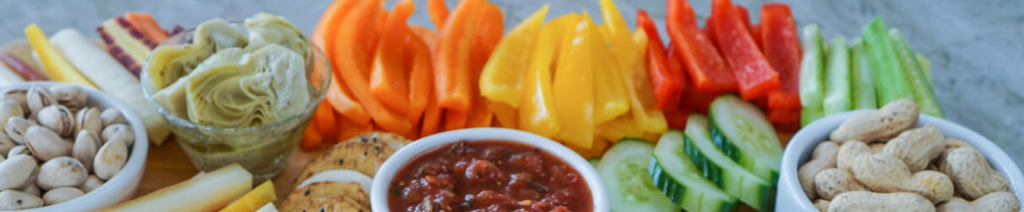
Through much of our history, our species survived on fruits, vegetables, nuts, seeds, and probably insects as well. For all these foods, crispness is a reliable signifier of freshness and a better nutritional profile. And a likelihood that the food is free from harmful pathogens like molds and bacteria. So it makes sense that our brains still rely on crackle and crunch as shorthand for “good for us.”
Even outside of our mouths, sounds can attract us to foods. Think of the three Rice Krispies mascots, named for the noise the cereal makes when served with milk: Snap, Crackle, and Pop. And those Frito-Lay scientists also figured out how the ideal bag of chips sounds when lifted off the shelf and placed in your shopping cart (especially when it’s not being drowned out by a tantrum!).
The Problem with Many Crunchy Snacks
Traditional crunchy snacks like chips remain extremely popular — with about 80% of Americans saying they enjoy them. In addition to potato chips, other biggies in the crunchy category include tortilla chips, pretzels, crackers, and puffs. And these foods have a bunch of issues when it comes to healthy nourishment.
Editor’s note: It’s easy to talk about quitting sugar, but for many of us, it’s a daunting task. If you suspect you may have a sugar addiction, there are approaches to beating it — but moderation isn’t one. If you or anyone you love is struggling with food addiction, you may also want to check out the work of Food Revolution Summit speaker, Susan Peirce Thompson, PhD. You can learn about her brilliant work here.
Healthy Crunchy Snack Recipes
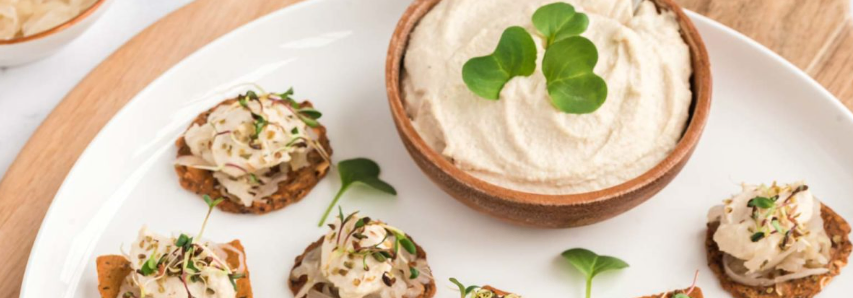
Making crunchy snacks at home can be quick, tasty, and packed with nutrition. Start with the Moroccan Baked Chickpeas that are bursting with flavor. They’ll provide you with a satisfying crunch and satisfy your belly with their protein and fiber.
If you like a little creamy along with your crunchy, then look no further than The Best Creamy and Crunchy Snack. And for anyone who has a challenge consuming leafy greens on a daily basis, consider your challenge conquered when you try the Chili Lime Kale Chips.
Like a little sweetness with your crunch? Super Seedy Granola provides all that and more. And if you’re a fan of crackers, but not a fan of most store-bought cracker ingredient labels, then it’s time to try making crackers at home. It’s simpler than you may think, and they have all the flavor and none of the unhealthy ingredients found in many traditional cracker brands.
Please access the recipes, images and full story at this link:
https://foodrevolution.org/blog/healthy-crunchy-snacks/
e.g. Moroccan Baked Chick Peas
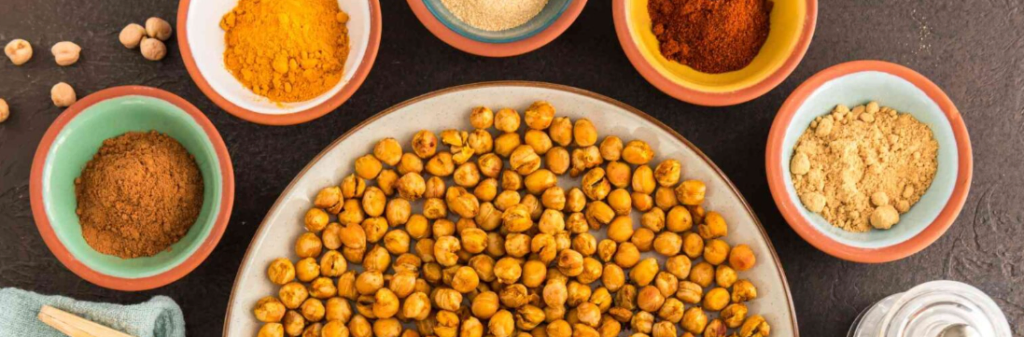
https://foodrevolution.org/recipes/moroccan-baked-chickpeas/
Take care to check on them and not let them get too hard – absolutely delish!
