Welcome, Guest
Login/Register
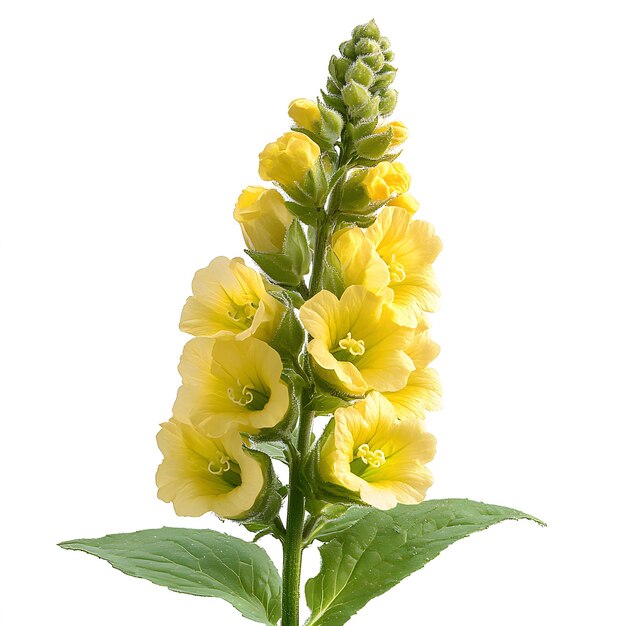
This is the story of mullein. The Lungwort. The Quaker’s Rouge. The Aaron’s Rod. The plant that helped humanity breathe for 2,400 years, growing on every roadside in the country that has forgotten its name.
The Nature’s Lost Vault Book Is Now Available. Learn more:
https://naturelostvault.com/book.html
In the winter of 1882, a 22-year-old woman named Margaret Sullivan was admitted to the Trudeau Sanatorium in Saranac Lake, New York. She was coughing blood. Her lungs were filling with the bacterial infection that was killing one in seven Americans every year. The doctors had no antibiotics. Streptomycin would not be discovered for another 62 years.
What they had was a tea brewed from the dried leaves and yellow flowers of a tall, fuzzy plant that grew along every roadside in upstate New York. The Trudeau staff harvested it themselves. They steeped it three times a day and gave it to patients to soothe inflamed bronchial tissue and help them clear bloody mucus from their lungs. Margaret Sullivan walked out of that sanatorium in the spring of 1884 and lived another 47 years. The plant that helped her breathe still grows along American roadsides today.
Hippocrates prescribed it 2,400 years ago. Dioscorides catalogued it in the 1st century AD. Nicholas Culpeper recommended it for every respiratory ailment in 1653. The Cherokee, Mohegan, Menominee, Penobscot, Navajo, and Coast Salish all used it. The U.S. Pharmacopoeia listed it as an official medicine. In 1910, the Flexner Report rewrote American medical education. Schools that taught herbal medicine were closed or defunded. The Carnegie Foundation and the Rockefeller Foundation, whose Standard Oil holdings produced the petroleum derivatives used to synthesize the new drugs, bankrolled the survivors. The plant was removed from the Pharmacopoeia. American doctors stopped learning about it. In 1966, Allen and Hanburys synthesized albuterol. The FDA approved it in 1981. Today the global bronchodilator market is worth 92 billion dollars. A single Ventolin inhaler retails for between 50 and 80 dollars.
The plant that does the same expectorant work mechanically grows free in the ditch outside your driveway. Modern research confirms what the sanatorium doctors observed. A 2010 study at the University of Naples Federico II showed that verbascoside, the active compound in mullein flowers, reduces inflammation through the same biochemical pathway that corticosteroid inhalers target. A 2019 Spanish study at the University of Salamanca demonstrated airway relaxation in tracheal tissue at the same physical level albuterol produces. A 2021 Iranian clinical trial showed mullein syrup reduced persistent cough in children by 60 percent compared to placebo. The German Commission E officially approved mullein for respiratory catarrh in 1990. The FDA has never issued any equivalent recognition. In the United States, mullein is classified as a dietary supplement. Producers cannot legally make any medical claim. The medicine is still there. It is free for the cutting. This is the story of mullein. The Lungwort. The Quaker’s Rouge. The Aaron’s Rod. The plant that helped humanity breathe for 2,400 years, growing on every roadside in the country that has forgotten its name.
Sources: