
Welcome, Guest
Login/Register

What if one humble fruit could lower cholesterol, protect your arteries, balance blood pressure, and rival prescription drugs for blood sugar control?
Meet AMLA — also known as Indian gooseberry.
Revered for centuries in traditional medicine and now backed by cutting-edge science, this sour berry is earning a reputation as a real-world superfood.
But does the research live up to the hype? Where can you find it? And how do you actually use it to support your heart, your metabolism, and your health?
Traditional healers throughout India, Tibet, China, and Sri Lanka have been prescribing the sour berry for centuries to treat an astounding variety of conditions, from
the common cold to indigestion to dandruff to acne to diabetes to heart problems to inflammation.
(That sounds like a verse from the song, “My Least Favorite Things.”)
What’s more, science is catching up to these traditions, discovering in amla many powerful compounds that mimic (and sometimes outperform) modern prescription drugs — minus the unwanted side effects. In the last few decades, amla has been put to the test for its ability to mitigate symptoms of metabolic syndrome, high cholesterol, high blood pressure, prediabetes, and diabetes.
What is Amla?
Amla is a plant with many names. Amla is the Hindu shortening of the Sanskrit amalaki, meaning “sour.” Tibetans say rasa, while English speakers call it Indian gooseberry. And botanists worldwide know it as Phyllanthus emblica — that last word being the Latinization of amalaki.
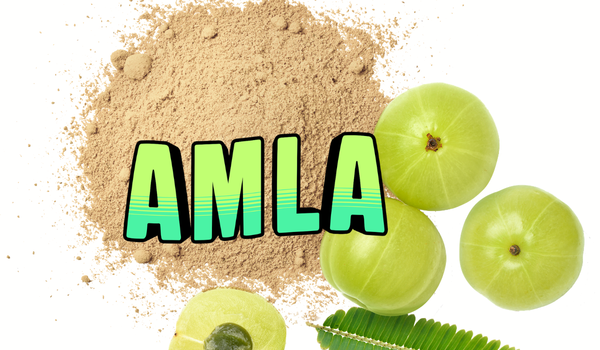
Botanists, biotechnologists, and phytochemists around the world have been touting its broad range of therapeutic uses. And lately, science has joined the cheering section, as studies are confirming more and more of its traditional and ethnomedical uses.
Amla Nutrition
Amla is recognized as one of the richest natural sources of vitamin C.
Adding to that good news is the fact that the vitamin C in amla remains remarkably stable, even after prolonged cold storage or drying.
Vitamin C isn’t alone here; other lettered vitamins found in amla include A, B1, and E. And amla is no slouch (that’s a technical nutrition term) in the calcium and iron departments either.
Health Benefits of Amla
As we’ve seen, amla may be helpful in a huge range of health conditions. So far, the best scientific evidence is for its cardiovascular and blood sugar benefits.
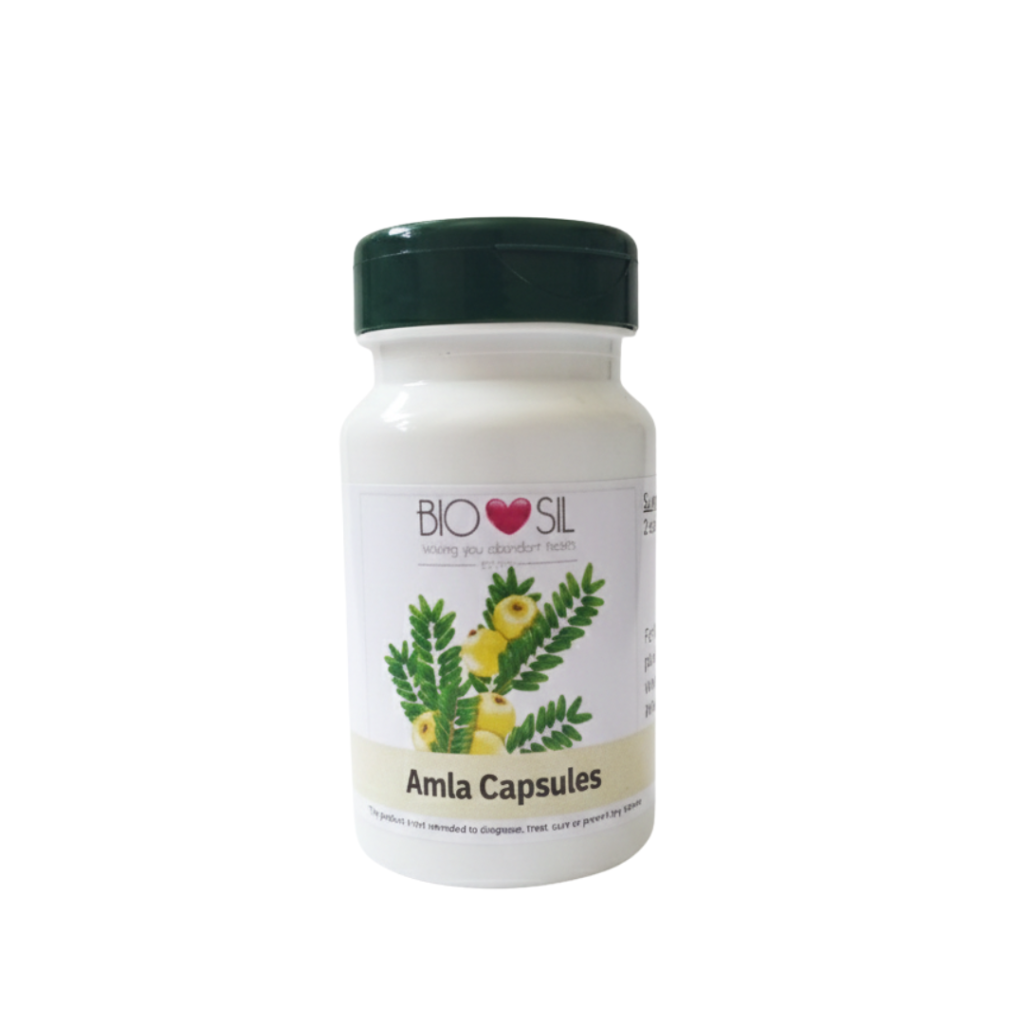
More readily available (than fresh amla berries), are dried, powdered, capsule, and juice forms, which you can buy in natural foods stores, Ayurvedic shops, and from online retailers. Look for organic, non-GMO, and third-party tested products to ensure purity and avoid contamination with heavy metals or pesticides.
How Much Amla Should You Take?
Amla shows such promise in managing cardiovascular and glycemic health that you might be tempted to shovel down the stuff. But as with just about everything, there’s a range that’s associated with benefit, and there’s such a thing as too much.
When we’re talking about powders, extracts, and other supplemental forms of amla, the sweet spot appears to be around 1,000 mg (or 1 gram) per day. This amount consistently demonstrates significant positive impacts on a range of cardiovascular risk factors, including good lipid numbers (total cholesterol, LDL, VLDL, HDL, and triglycerides), improved endothelial function (that’s the lining of blood vessels that we looked at earlier), and reduced systemic inflammation.
A gram a day is also associated with less oxidative stress (ie, cell damage), lower blood pressure, and less blood platelet clumping (which reduces the risk of stroke).
A daily dose of 1 gram has also been shown to be effective in lowering fasting and post-meal blood glucose, as well as long-term HbA1c levels. Someone with prediabetes or diabetes might benefit from higher doses of 2 or even 3 grams of amla powder per day, which can promote larger decreases in blood glucose.
Amla Side Effects and Safety Profile
Research and studies show that amla supplements are generally safe, with no reported side effects. Amla is well-tolerated — no patient in any of the published randomized controlled trials reported an adverse reaction serious enough to end the study prematurely. Very rarely, people taking amla have reported mild symptoms such as abdominal discomfort, indigestion, headache, or low-grade fever. These cases are so rare and occur with about equal frequency in placebo groups that it’s unclear if any of these were truly related to amla.
Conclusion
Amla, or Indian gooseberry, offers a powerful natural way to improve metabolic health, backed by both centuries of traditional use and a growing body of scientific evidence. Amla’s exceptional polyphenol content, benefits for cardiovascular health (including reduced LDL cholesterol, blood pressure, triglycerides, and inflammation), and its proven ability to regulate fasting blood glucose, post-prandial blood glucose, and A1c, make it a valuable addition to a health-conscious lifestyle.
Whether consumed fresh, powdered, or as an extract, amla seems to be extremely safe and highly effective. It is particularly beneficial for people managing or seeking to prevent conditions like hyperlipidemia, hypertension, prediabetes, and type 2 diabetes.
As research continues to emerge, incorporating this “antioxidant king” into your daily routine could be a significant step towards improved metabolic health.
Please visit this site / link to see the full and detailed report:
https://foodrevolution.org/blog/amla-for-your-health/?frn_source=sfmc&frn_medium=email-blo&frn_campaign=blo-26-&frn_content=email-indian-gooseberries-
Click here to explore the lineup and claim a special Food Revolution Network discount.
If you make a purchase through that link, Amla Green will contribute a portion of the proceeds to support Food Revolution Network’s mission. (Thank you!)

.
