Welcome, Guest
Login/Register
When it comes to treating infection, most of us think antibiotics. But now for a host of reasons (antibiotic resistance, secondary bacterial overgrowth, side effects), many pet parents are looking for other options.
What to use first? …Is it even safe? …And what is the dose?
Well there are surprising large number and even some of the common supplements have antibacterial properties.
Consider 95% Curcumin, and this comes from PubMed:
Curcumin (specifically 95% standardized extract) is a potent, natural, broad-spectrum antibacterial agent effective against a wide range of Gram-positive and Gram-negative bacteria.
Broad-Spectrum Activity: 95% curcumin is effective against major pathogens, including Staphylococcus aureus (including MRSA), Escherichia coli, Pseudomonas aeruginosa, Helicobacter pylori, and various oral pathogens.
If your dog or cat has an infection but you’re hesitant to use antibiotics for various reasons, you’re not alone. Many pet owners are concerned about the side effects of antibiotics, especially their impact on the beneficial bacteria in your pet’s body. Luckily, there are many natural antibacterial alternatives that are just as effective for treating infections. In this article, I’m going to walk you through my top seven holistic antibacterial remedies that can support your pet’s health without the risks associated with conventional antibiotics.
Why Avoid Antibiotics?
Antibiotics are incredibly effective at killing bacteria, and they can be a lifesaver when your pet has an infection. However, they don’t just target the bad bacteria—they can also wipe out the good bacteria that help maintain a healthy balance in your pet’s microbiome. This can lead to issues like gastrointestinal upset, diarrhea, and even yeast infections on your pet’s skin. For this reason, many pet owners are turning to natural alternatives. Fortunately, there are several options that are not only safe but also effective in fighting bacterial infections.
My Top Nine Natural Antibacterials
1.
Propolis (Bee Glue)
Propolis is a substance that bees use to reinforce their hives, and it has been shown to have broad-spectrum antibacterial properties. It’s effective against a variety of bacteria, including Staph and Strep, as well as antibiotic-resistant strains. I use propolis regularly for both my dog and cat, especially for respiratory infections.
The recommended dose is 100 mg per 10 pounds of body weight, once or twice daily, depending on the severity of the infection.
2.
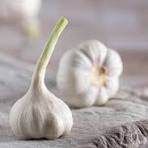
Garlic
Although you might have heard that garlic is dangerous for dogs and cats, it’s only dangerous in very high amounts. Garlic has been shown to have potent antibacterial properties, even effective against bacteria causing Lyme disease. The key is dosage. For instance, a 15-30g/kg dose of garlic can be toxic for dogs, but they would have to eat an enormous amount—about 50 cloves of garlic—before it becomes dangerous.
For safe, effective use, I recommend giving about 1/3 of a garlic tablet per 10 pounds of body weight, once daily, for 10 to 14 days to treat infections.
3.
Honey
Honey is another natural antibacterial that I use frequently, especially for topical wounds. It has hydrogen peroxide properties and creates an acidic environment that inhibits bacterial growth. It’s so effective that it’s now used in hospitals to treat infections, including those resistant to antibiotics like MRSA.
I apply a small amount of raw honey to Tula’s wounds twice a day to speed up healing and prevent bacterial growth. It’s also helpful for urinary tract infections (UTIs) and respiratory issues like kennel cough.
4.
Green Tea
Green tea is well-known for its health benefits in humans, and it also offers antibacterial properties for dogs and cats. The key compound, EGCG, is a potent antimicrobial, and I’ve used it effectively to treat UTIs in dogs.
The dose is typically 1/4 cup per 20 pounds of body weight, twice daily. I brew a concentrated cup of green tea, let it cool, and add a tablespoon of honey for extra antibacterial power. This combo works wonders for urinary tract infections and general infections.
5.
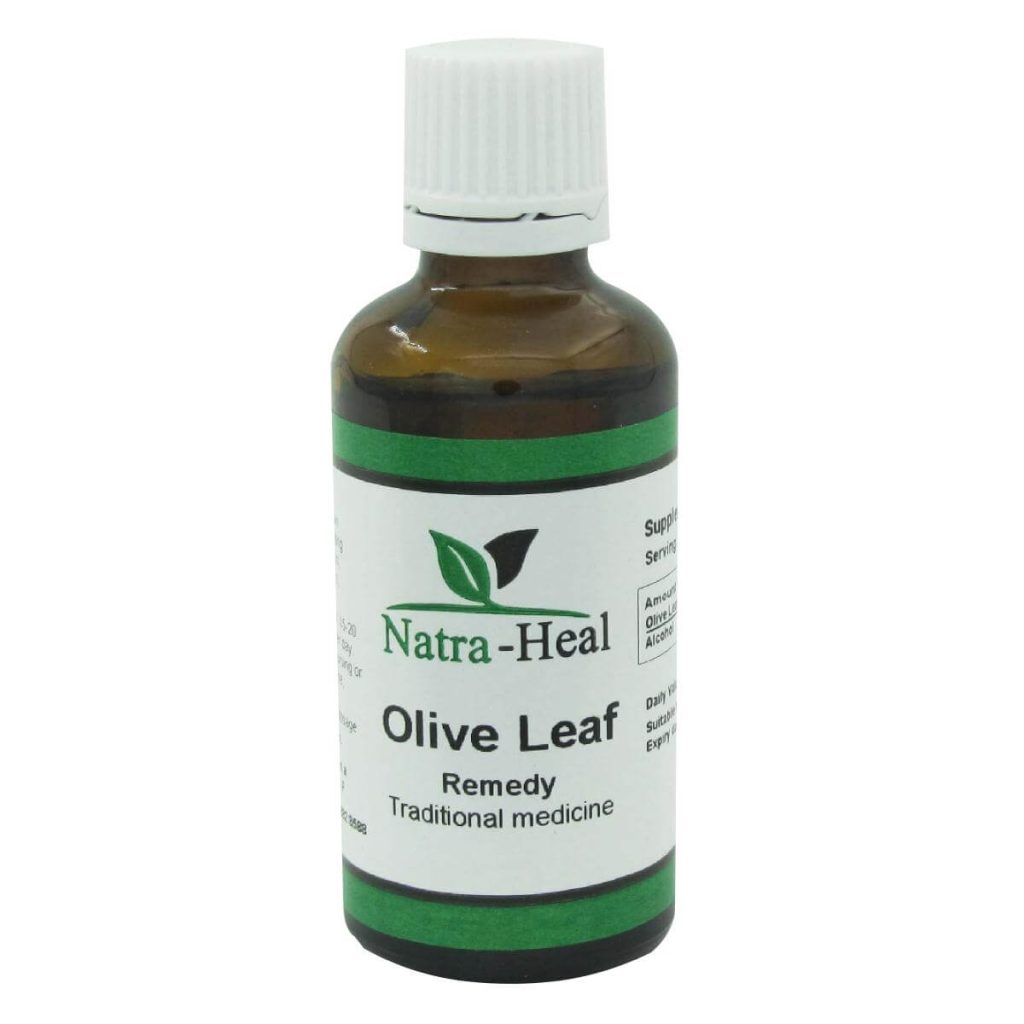
Olive Leaf Extract
Olive leaf extract is a powerful antibacterial derived from the leaves of olive trees. It’s been used traditionally for treating a variety of conditions, from yeast infections to pneumonia. Studies have shown its effectiveness against bacteria like E. coli and salmonella.
The recommended dose is 1/4 of a capsule per 20 pounds of body weight, twice daily for 10 to 14 days. Just be sure to start with a lower dose to avoid any stomach upset.
6.
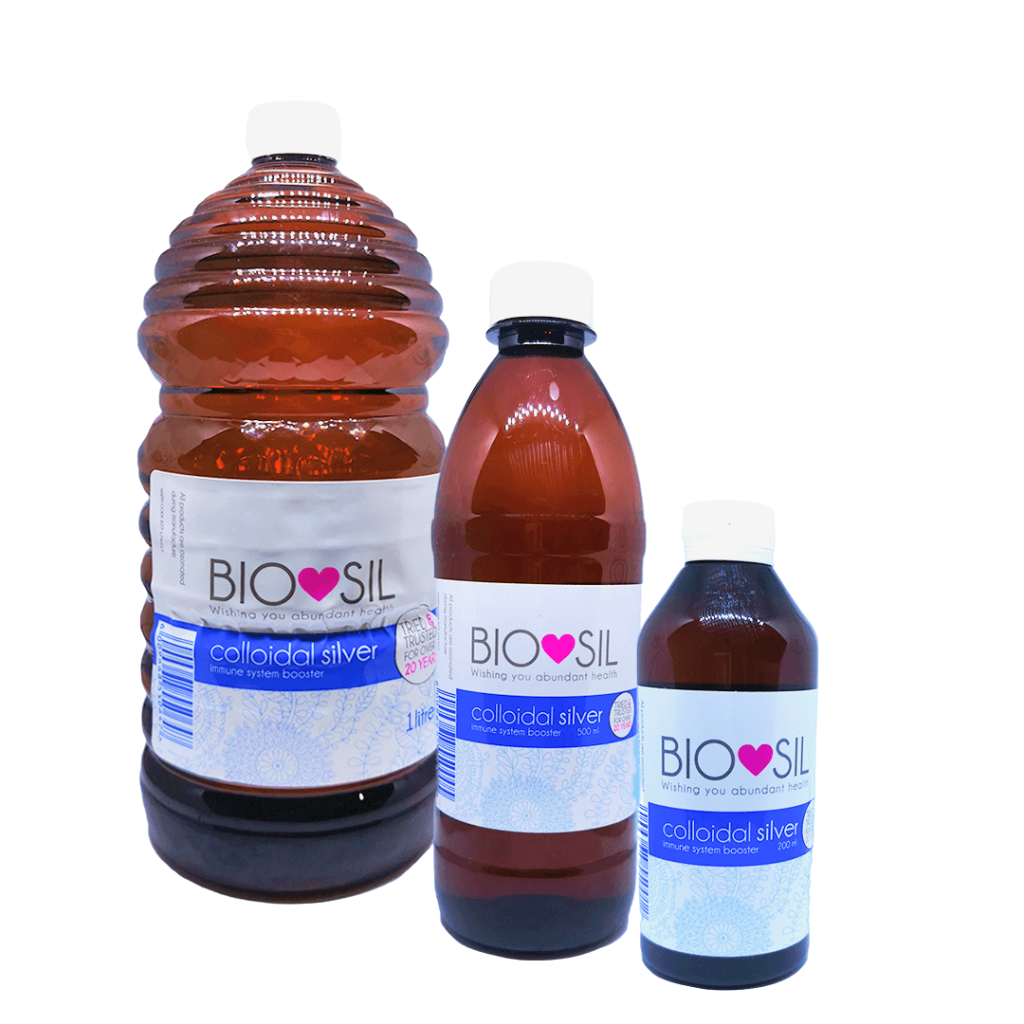
Colloidal Silver
When my dog Tula got into a tussle with a raccoon and suffered some facial scrapes, I turned to colloidal silver. This is a solution of microscopic silver particles suspended in water, and it has shown promise as a natural antibacterial. Despite some controversy, I find it to be safe when used in small doses. Research supports its effectiveness against both gram-negative and gram-positive bacteria, including some that are resistant to conventional antibiotics.
I applied a colloidal silver spray topically twice a day to Tula’s wound, and I also gave her a small oral dose: 1/4 milliliter per 20 pounds of body weight, twice daily for 7 to 10 days.
7.
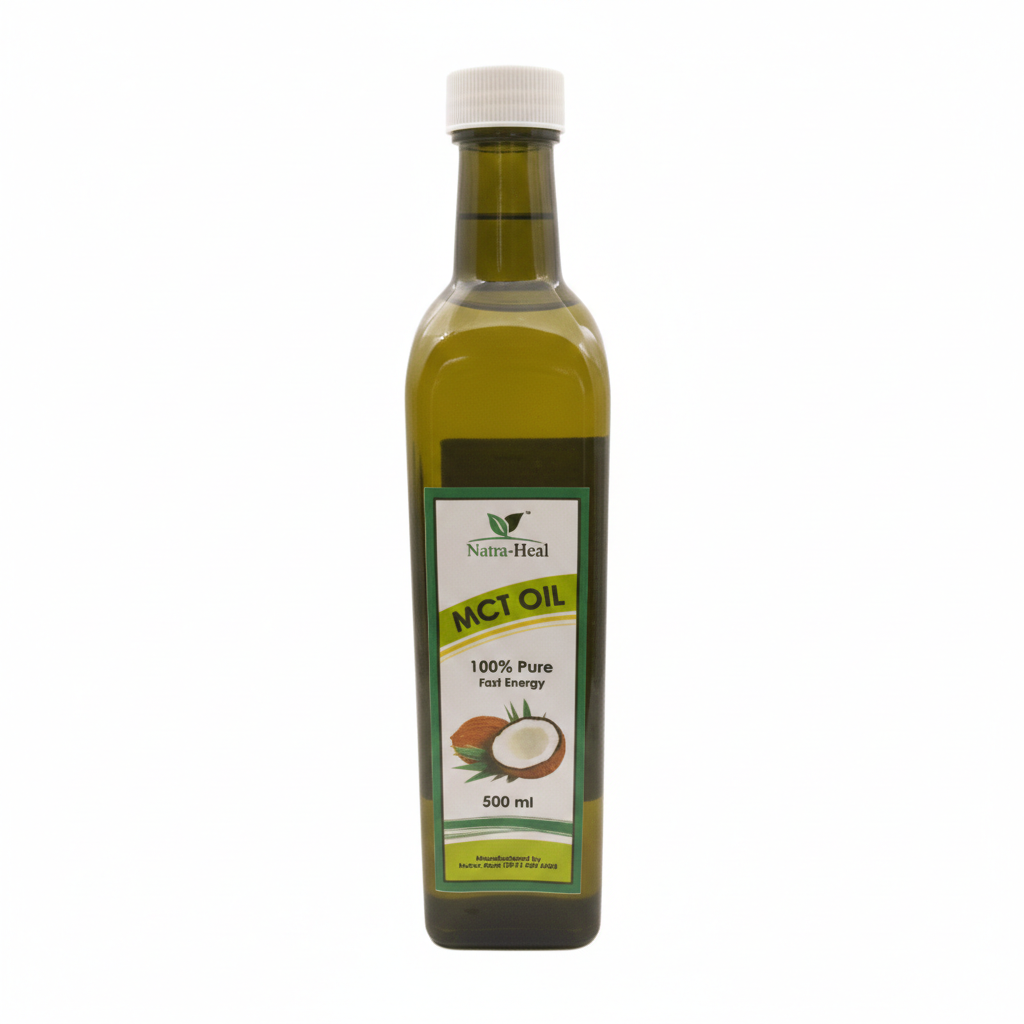
Coconut Oil
Coconut oil is another fantastic natural antibacterial. The active ingredient, lauric acid, has been extensively studied and proven to kill bacteria effectively. I use coconut oil both topically and for dental health. For Tula, I would rub a small amount on her gums to help reduce plaque and make her breath fresher. Additionally, for surface skin infections, I apply it directly to the affected area. It’s safe for your pets to consume, and it works wonders for conditions like chronic nasal lesions or small skin infections.
8.
Tokosh (Fermented Potato)
Although harder to find, Tokosh is an Incan antibacterial derived from fermented potatoes. It has natural probiotic properties, making it effective for gut-related bacterial infections.
If you’re able to get your hands on it, 100 mg per 10 pounds of body weight daily is the typical dose.
9.
95% Curcumin
Well studied and shown to work against many bacteria. Broad-Spectrum Activity: 95% curcumin is effective against major pathogens, including Staphylococcus aureus (including MRSA), Escherichia coli, Pseudomonas aeruginosa, Helicobacter pylori, and various oral pathogens.
Source: