
Welcome, Guest
Login/Register
There is a tree that grows in the tropics so fast you can almost watch it.
It tolerates drought, poor soil, and heat that would kill most plants. Every part of it is edible — leaves, pods, seeds, roots, bark, flowers. It has been used medicinally across Africa, Asia, and the Middle East for thousands of years. Ancient Egyptians extracted oil from its seeds. Ayurvedic medicine lists it as a remedy for over three hundred conditions. Roman soldiers carried it on campaigns.
And for most of the Western world — it barely registers.
Moringa oleifera. The miracle tree. The drumstick tree. Ben oil tree. Called different names across different cultures — all of them reflecting the same recognition: that this plant is extraordinary.
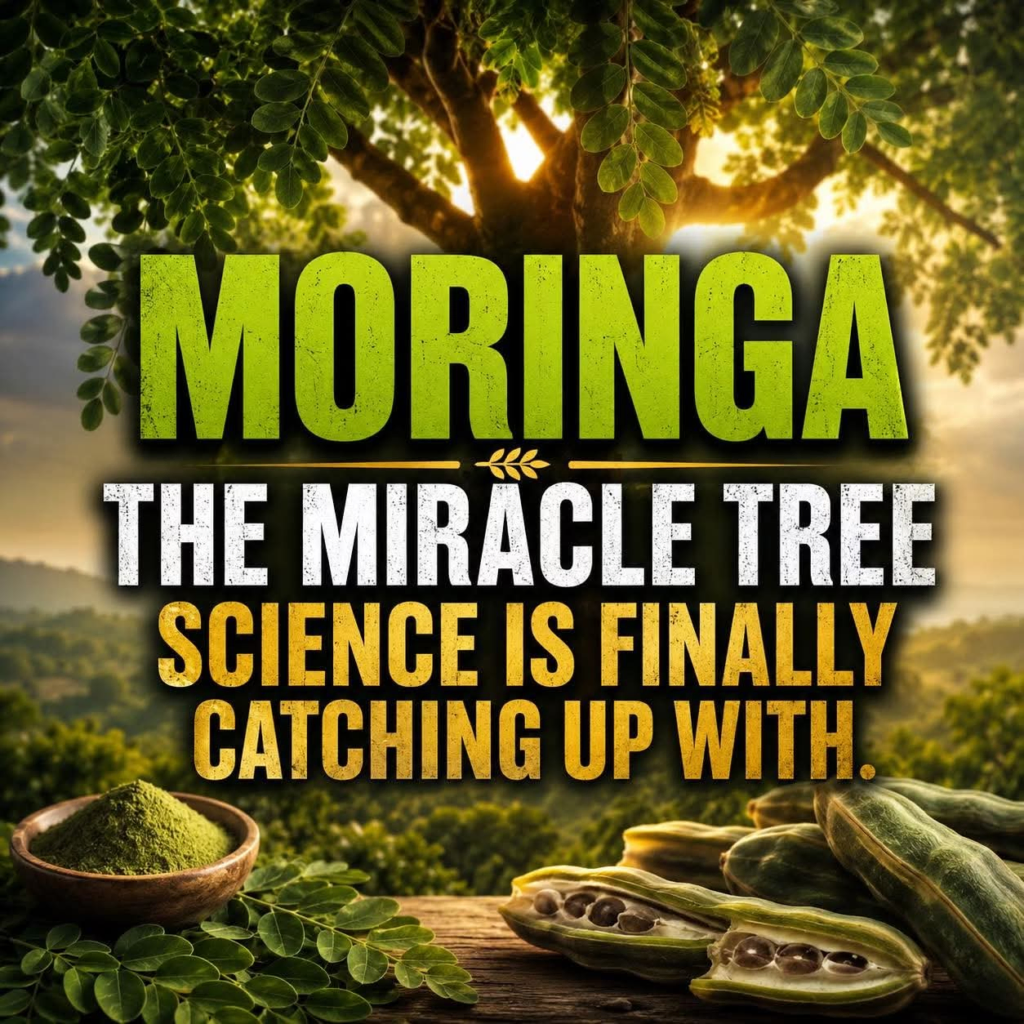
The nutritional profile alone is remarkable enough to warrant attention. Gram for gram, moringa leaves contain more vitamin C than oranges, more calcium than milk, more potassium than bananas, more iron than spinach, and a complete amino acid profile unusual for any plant food. But the nutritional story is only the beginning.
The pharmacological research on moringa — now spanning hundreds of peer-reviewed studies — documents anti-inflammatory, antioxidant, antidiabetic, neuroprotective, antimicrobial, hepatoprotective, and anticancer activity through mechanisms that are increasingly well characterised.
This is not a superfood marketing story. This is a plant with genuine, documented, mechanistically understood therapeutic biology — that most people in the modern world have never seriously considered.
🔬 𝐖𝐇𝐀𝐓 𝐌𝐎𝐑𝐈𝐍𝐆𝐀 𝐀𝐂𝐓𝐔𝐀𝐋𝐋𝐘 𝐈𝐒
Moringa oleifera is a fast-growing, drought-resistant tree in the Moringaceae family, native to the sub-Himalayan regions of South Asia and now cultivated throughout tropical and subtropical regions worldwide.
It grows to 10–12 metres in height, producing clusters of white flowers, long seed pods (the drumsticks that give it one of its common names), and leaves that have become the most commercially significant part of the plant.
The Moringa genus contains 13 species — M. oleifera is by far the most studied and most widely used therapeutically.
The nutritional composition of moringa leaves:
Fresh moringa leaves per 100g contain approximately:
→ Protein — 9.4g; unusually high for a leafy green; containing all nine essential amino acids including leucine, isoleucine, and valine (the branched-chain amino acids)
→ Vitamin C — 220mg (versus 53mg in oranges)
→ Vitamin A (as beta-carotene) — 6,780 mcg
→ Calcium — 185mg (versus 113mg in milk per 100ml)
→ Potassium — 337mg (versus 358mg in bananas)
→ Iron — 4mg (versus 2.7mg in spinach)
→ Magnesium — 42mg
→ Vitamin E — 448mg of total tocopherols in the seed oil; leaves contain significant amounts
→ Vitamin K — significant quantities supporting coagulation and bone metabolism
Dried moringa leaf powder — the most commonly supplemented form — is more concentrated in most nutrients due to water removal, with approximately 7–10x the nutrient density by weight compared to fresh leaves for fat-soluble vitamins and minerals.
The bioactive compounds:
Beyond basic nutrition, moringa contains a sophisticated array of pharmacologically active compounds:
→ Isothiocyanates — particularly moringin (4-(α-L-rhamnosyloxy)benzyl isothiocyanate); the primary glucosinolate-derived compound unique to moringa; the most pharmacologically researched compound in the plant
→ Quercetin — a major flavonoid with anti-inflammatory, antioxidant, and COMT-relevant activity
→ Kaempferol — a flavonoid with documented anticancer and anti-inflammatory activity
→ Chlorogenic acid — a phenolic acid that modulates glucose absorption and insulin sensitivity
→ Beta-sitosterol — a plant sterol that reduces cholesterol absorption
→ Zeatin — a cytokinin plant hormone with anti-aging properties
→ Glucomoringin — the glucosinolate precursor to moringin; the compound responsible for many of moringa’s antimicrobial and anticancer activities
→ Niazimicin — a thiocarbamate glycoside with documented anticancer activity
→ Pterygospermin — an antimicrobial compound found primarily in the roots and bark
⚙️ 𝐖𝐇𝐀𝐓 𝐌𝐎𝐑𝐈𝐍𝐆𝐀 𝐃𝐎𝐄𝐒 — 𝐓𝐇𝐄 𝐌𝐄𝐂𝐇𝐀𝐍𝐈𝐒𝐌𝐒
🔵 Anti-inflammatory activity — broad spectrum and well characterised
Moringa’s anti-inflammatory activity operates through multiple simultaneous pathways — making it one of the most comprehensively anti-inflammatory plants in the research literature.
→ NF-κB inhibition — isothiocyanates and quercetin both inhibit NF-κB signalling — the master inflammatory transcription factor governing IL-1β, IL-6, TNF-α, and COX-2 production; the same pathway targeted by pharmaceutical anti-inflammatory drugs but through a different mechanism and without the associated side effects
→ COX-2 inhibition — moringa extract demonstrates COX-2 inhibitory activity comparable to some NSAIDs in vitro; relevant for pain and inflammatory conditions
→ Nrf2 activation — isothiocyanates activate Nrf2 — the master antioxidant and cytoprotective transcription factor — upregulating the body’s own antioxidant enzyme systems including superoxide dismutase, catalase, and glutathione peroxidase
→ Reduction of inflammatory cytokines — multiple animal and human studies demonstrate moringa supplementation reduces CRP, IL-6, and TNF-α
Clinical and research evidence:
→ A randomised controlled trial in postmenopausal women demonstrated significant reductions in inflammatory markers with moringa supplementation
→ Multiple animal studies demonstrate moringa extract reduces colitis severity — consistent with the NF-κB and gut mucosa anti-inflammatory mechanisms
→ Traditional use for arthritis, inflammatory skin conditions, and fever across multiple cultures is consistent with these documented mechanisms
🔵 Antioxidant activity — exceptional and multimechanistic
→ ORAC value — moringa leaf powder has one of the highest oxygen radical absorbance capacity values of any commonly studied plant food
→ Nrf2 activation — as described; moringa upregulates endogenous antioxidant enzyme production rather than simply providing exogenous antioxidants; this is a fundamentally more powerful approach than consuming antioxidants directly
→ Quercetin and kaempferol — direct free radical scavenging
→ Chlorogenic acid — particularly relevant for lipid peroxidation protection
→ Vitamin E and beta-carotene — fat-soluble antioxidant protection of membranes
The combination of direct antioxidant compounds AND Nrf2-mediated upregulation of endogenous antioxidant systems places moringa in a distinct category from most antioxidant supplements — which provide exogenous antioxidants without activating the body’s own defence systems.
🔵 Blood sugar regulation — one of the most clinically validated effects
→ Chlorogenic acid — inhibits glucose absorption from the gut by modulating glucose-6-phosphatase activity; reduces postprandial blood glucose spikes
→ Isothiocyanates — improve insulin sensitivity through multiple mechanisms including AMPK activation
→ Quercetin — inhibits α-glucosidase — the enzyme that breaks down complex carbohydrates in the gut; reduces the rate of glucose entry into the bloodstream
→ Beta-sitosterol — modulates glucose transporter expression
Clinical evidence:
→ Multiple human clinical trials demonstrate moringa supplementation reduces fasting blood glucose and HbA1c in type 2 diabetic and pre-diabetic populations
→ A systematic review of 9 clinical trials concluded moringa supplementation produced significant reductions in fasting glucose — with effects becoming more consistent at higher doses and longer durations
→ Postprandial glucose reduction — taking moringa before or with a meal reduces the glycaemic spike; a direct practical application with significant metabolic relevance
🔵 Lipid metabolism and cardiovascular effects
→ Beta-sitosterol and other plant sterols — reduce cholesterol absorption in the gut through competition with dietary cholesterol for micellar incorporation
→ Quercetin — reduces LDL oxidation — addressing the mechanism of atherogenesis rather than just LDL levels
→ Moringin — inhibits platelet aggregation — reducing thrombotic risk
→ Multiple clinical trials demonstrate moringa supplementation reduces total cholesterol, LDL, and triglycerides while maintaining or improving HDL
→ Antihypertensive effects — moringa extract demonstrates ACE inhibitory activity in vitro; nitrile glycosides and isothiocyanates contribute to vasodilation; multiple animal studies and some human data support blood pressure reduction
🔵 Liver protection — hepatoprotective mechanisms
→ Silymarin-like effects — moringa demonstrates hepatoprotective activity comparable in some models to silymarin (milk thistle); protecting hepatocytes from toxin-induced damage
→ Quercetin and kaempferol — protect liver cells from oxidative damage and reduce hepatic fat accumulation
→ Nrf2 activation — upregulates glutathione and other Phase 2 detoxification enzymes in hepatocytes
→ Anti-inflammatory effects — reduce hepatic inflammation in NAFLD models
→ Multiple animal studies demonstrate moringa extract protects the liver from carbon tetrachloride, paracetamol, and other hepatotoxins — a standard model of hepatoprotective activity
🔵 Neuroprotection — an emerging and significant research area
→ Moringin and isothiocyanates — cross the blood-brain barrier and activate Nrf2 in neural tissue; reducing neuroinflammation and oxidative stress in neurons
→ Quercetin — demonstrated neuroprotective activity in multiple neurodegeneration models; reduces amyloid-beta toxicity in Alzheimer’s models and protects dopaminergic neurons relevant to Parkinson’s
→ Zeatin — the cytokinin compound in moringa; has demonstrated neuroprotective and potentially anti-aging effects in neural tissue
→ BDNF support — moringa extract has shown effects on BDNF (brain-derived neurotrophic factor) in animal models — relevant for neuroplasticity, depression, and cognitive function
→ Anxiolytic and antidepressant effects — demonstrated in multiple animal models; consistent with the BDNF, anti-inflammatory, and adaptogenic profile
🔵 Antimicrobial activity
→ Moringin — demonstrated activity against a broad spectrum of bacteria including Staphylococcus aureus, E. coli, Salmonella, Helicobacter pylori, and Pseudomonas aeruginosa
→ Pterygospermin — one of the earliest identified antimicrobial compounds from any plant; active against gram-positive and gram-negative bacteria and fungi
→ Seed extract — particularly potent antimicrobial activity; used traditionally and in contemporary research for water purification — moringa seed extract causes bacterial aggregation and precipitation, clarifying contaminated water
→ Antifungal activity — active against Candida albicans and Aspergillus species
🔵 Anticancer activity — multiple mechanisms
→ Niazimicin — a thiocarbamate glycoside unique to moringa; one of the most studied moringa anticancer compounds; documented activity against multiple cancer cell lines
→ Glucomoringin-derived isothiocyanates — similar to the sulforaphane mechanism in broccoli but with distinct compound profile; inhibit cancer cell proliferation, induce apoptosis, inhibit angiogenesis
→ Quercetin and kaempferol — extensive anticancer research across multiple cancer types; inhibit cancer cell signalling pathways, induce apoptosis, and reduce tumour vascularisation
→ Beta-sitosterol — modulates cancer cell membrane composition and signalling
→ Specific cancer types with documented in vitro and animal model activity: breast, colorectal, lung, pancreatic, prostate, and hepatocellular carcinoma
The same caveats apply as with wormwood — the majority of this data is in vitro and animal models. Moringa is not a cancer treatment. The mechanistic data is compelling and deserves clinical investigation.
🔵 Thyroid considerations — an important nuance
→ Moringa contains goitrogenic compounds — particularly in the root and bark; compounds that may interfere with thyroid hormone synthesis by competing with iodine uptake
→ In the leaves at normal dietary doses — goitrogenic activity is generally not considered clinically significant with adequate iodine intake
→ At high supplemental doses — particularly as concentrated powder — individuals with thyroid conditions (especially hypothyroidism) should use with caution and monitor thyroid function
→ This is not a reason to avoid moringa for most people but is a relevant consideration for those with Hashimoto’s thyroiditis or hypothyroidism, particularly at higher doses
🌱 𝐌𝐎𝐑𝐈𝐍𝐆𝐀 𝐀𝐒 𝐀 𝐍𝐔𝐓𝐑𝐈𝐓𝐈𝐎𝐍𝐀𝐋 𝐈𝐍𝐓𝐄𝐑𝐕𝐄𝐍𝐓𝐈𝐎𝐍 — 𝐏𝐑𝐀𝐂𝐓𝐈𝐂𝐀𝐋 𝐒𝐈𝐆𝐍𝐈𝐅𝐈𝐂𝐀𝐍𝐂𝐄
Beyond its pharmacological activity, moringa’s nutritional density has specific practical relevance for populations at risk of deficiency.
Complete plant protein:
Moringa contains all nine essential amino acids — making it one of very few plant sources of complete protein. The protein content of dried leaf powder (approximately 25–30% by weight) is exceptional for a plant food and makes it genuinely relevant for plant-based eaters who struggle to obtain adequate complete protein from conventional plant sources.
Iron and anaemia:
Moringa’s iron content combined with its vitamin C (which dramatically enhances non-haem iron absorption) makes it one of the most effective plant-based approaches to iron deficiency — a condition affecting over two billion people globally. Multiple clinical trials specifically in developing world contexts have documented improvements in haemoglobin with moringa supplementation.
Vitamin A deficiency:
The beta-carotene content of moringa leaves is extraordinary — and vitamin A deficiency is a leading cause of childhood blindness globally. Moringa cultivation and consumption programmes in sub-Saharan Africa and South Asia have documented measurable improvements in vitamin A status in communities where it is regularly consumed.
Lactation support:
Moringa is one of the most consistently used galactagogues (milk production enhancers) across multiple traditional medical systems — and this is one of the most evidence-supported of its traditional uses, with several clinical trials demonstrating increased breast milk volume and improved infant weight gain.
📉 𝐖𝐇𝐎 𝐁𝐄𝐍𝐄𝐅𝐈𝐓𝐒 𝐌𝐎𝐒𝐓 𝐅𝐑𝐎𝐌 𝐌𝐎𝐑𝐈𝐍𝐆𝐀
🔴 People with blood sugar dysregulation — the glycaemic evidence is among the most consistent in the moringa clinical literature; taking moringa before meals or as a daily supplement is one of the most evidence-supported applications
🔴 People with chronic inflammation — the NF-κB/Nrf2 dual mechanism makes moringa particularly useful as part of a broader anti-inflammatory protocol; superior to most single-compound anti-inflammatory supplements because it works through multiple simultaneous pathways
🔴 People eating plant-based diets — complete amino acid profile, exceptional iron with co-occurring vitamin C, calcium, B vitamins, and zinc; moringa addresses multiple common deficiencies simultaneously
🔴 People with liver stress — NAFLD, alcohol history, high toxic load; the hepatoprotective and Nrf2-activating effects are directly relevant
🔴 People with cognitive decline concerns — the neuroprotective, BDNF-supporting, and anti-neuroinflammatory profile is relevant for both prevention and support
🔴 Postmenopausal women — clinical trial evidence specifically in this population for anti-inflammatory and potentially bone-protective effects; moringa’s calcium, vitamin K, and anti-inflammatory profile is relevant for bone density support
🔴 People with anaemia or low ferritin — the iron plus vitamin C combination is exceptional for non-haem iron absorption
🔴 Breastfeeding women — one of the most evidence-supported galactagogues available
🍽️ 𝐅𝐎𝐎𝐃 𝐒𝐎𝐔𝐑𝐂𝐄𝐒 𝐀𝐍𝐃 𝐅𝐎𝐑𝐌𝐒
Fresh moringa leaves:
→ The most nutritionally complete form; available in South Asian, African, and Latin grocery stores in regions where it is cultivated
→ Used in curries, soups, stir-fries, and salads; mild slightly bitter flavour; add at the end of cooking to preserve heat-sensitive nutrients
Moringa leaf powder:
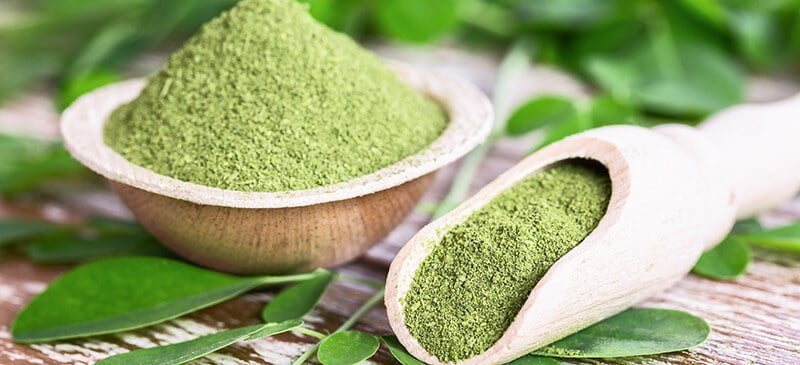
→ The most widely available commercial form in Western markets; dried and ground leaves
→ Nutrient density is higher than fresh by weight due to water removal; fat-soluble vitamins and minerals are well preserved; vitamin C is partially reduced by drying
→ Add to smoothies, soups, sauces, and yoghurt; distinctive green colour and mild earthy flavour
→ 1–2 teaspoons per day is a typical food-level dose
Moringa capsules and extracts:
→ Most convenient for therapeutic dosing; allow precise standardised intake
→ Quality varies significantly — look for products specifying leaf origin and ideally third-party testing
Moringa seed oil (Ben oil):
→ Exceptional stability — one of the most oxidation-resistant edible oils known; does not go rancid easily; used in cooking and topically for skin and hair
→ High oleic acid content similar to olive oil; contains the tocopherols and bioactive compounds of the seed
Moringa tea:
→ Dried leaf tea; mild and pleasant; lower pharmacological activity than concentrated powder but appropriate for daily gentle use
💊 𝐒𝐔𝐏𝐏𝐋𝐄𝐌𝐄𝐍𝐓𝐀𝐓𝐈𝐎𝐍 — 𝐓𝐇𝐄 𝐏𝐑𝐀𝐂𝐓𝐈𝐂𝐀𝐋 𝐆𝐔𝐈𝐃𝐄
Dosing:
→ General health and nutrition — 1–2 teaspoons of leaf powder daily (approximately 3–6g); or 2–4 capsules of a standardised extract
→ Blood sugar management — 5–8g of leaf powder daily in divided doses; take with or before meals for postprandial glucose effect
→ Anti-inflammatory and therapeutic applications — 5–10g daily; clinical trials have generally used doses in this range
→ Lactation support — 3–4g daily; consistent with the clinical trial doses showing galactagogue effect
Timing:
→ Before or with meals for glycaemic benefit
→ Can be taken at any time for nutritional and anti-inflammatory purposes
→ Split doses across meals improve tolerance and may enhance sustained effects
Quality considerations:
→ Organic where possible — moringa is grown across diverse agricultural contexts; pesticide testing matters
→ Leaf powder only — avoid root and bark preparations for internal use at high doses; higher concentrations of potentially hepatotoxic and goitrogenic compounds
→ Third-party tested — heavy metal contamination (particularly lead) has been found in some commercial moringa products from poorly regulated supply chains; this is a genuine quality concern
Combinations:
→ Moringa + turmeric — complementary anti-inflammatory profiles through different pathways; NF-κB inhibition from both with distinct mechanisms
→ Moringa + berberine — complementary blood sugar regulation; additive effects on glucose and insulin sensitivity
→ Moringa + magnesium and B vitamins — supports the methylation pathways that interact with moringa’s quercetin content (COMT relevance — see the COMT guide)
→ Moringa + omega-3 — complementary anti-inflammatory; omega-3 addresses eicosanoid pathway; moringa addresses NF-κB and Nrf2
⚠️ 𝐒𝐀𝐅𝐄𝐓𝐘 𝐀𝐍𝐃 𝐂𝐀𝐔𝐓𝐈𝐎𝐍𝐒
Moringa leaf powder and extracts have an excellent general safety profile at food and moderate supplemental doses. The following warrant attention:
→ Thyroid conditions — as described; use with caution at high doses in hypothyroidism and Hashimoto’s; monitor thyroid function; ensure adequate iodine intake
→ Pregnancy — moringa leaves at food doses are generally considered safe in pregnancy across cultures where it is a staple food; root, bark, and very high doses of leaf are traditionally avoided in pregnancy due to potential uterine-stimulating effects; err on the side of moderation
→ Anticoagulants — moringa’s vitamin K content and antiplatelet activity warrant monitoring in those on warfarin or other anticoagulants
→ Antidiabetic medications — moringa’s documented blood sugar-lowering effects may be additive with pharmaceutical antidiabetics; monitor glucose carefully
→ Antihypertensive medications — the blood pressure-lowering effects may be additive; monitor blood pressure
→ Heavy metal contamination — as noted above; source quality matters significantly; buy from reputable suppliers with testing documentation
💚 𝐓𝐇𝐄 𝐃𝐄𝐄𝐏𝐄𝐑 𝐓𝐑𝐔𝐓𝐇
Three thousand years of use across Africa, Asia, and the Middle East. A nutritional profile that outperforms virtually every other plant food on multiple dimensions simultaneously. Pharmacological mechanisms that are now understood at the molecular level — NF-κB, Nrf2, AMPK, alpha-glucosidase inhibition, COX-2, blood-brain barrier crossing isothiocyanates.
And in most Western health conversations — barely a mention.
This is partly the geography of food culture. Moringa grows where most Western consumers do not live. Its flavour is unfamiliar. Its appearance — a green powder or dried leaf — does not command the premium branding of more fashionable supplements.
But mostly it is the usual problem. A plant cannot be patented. Research investment follows patent potential. And a tree that grows freely in tropical soil, requires minimal inputs, and provides extraordinary nutrition and pharmacological activity to anyone who plants it is commercially uninteresting to an industry that profits from proprietary formulations.
The science is there. Hundreds of peer-reviewed studies documenting mechanisms and clinical effects that most people accessing expensive supplement protocols have never been offered.
Blood sugar regulation without pharmaceutical side effects. Liver protection without a prescription. Nrf2 activation — one of the most powerful endogenous antioxidant responses available — from a green powder that costs a few pounds a month. Complete plant protein with a mineral density that makes most multivitamins look sparse.
Simple. Inexpensive. Extraordinarily well-researched for a plant most people have never used.
If that is not the definition of something worth knowing about — it is hard to say what is. 🌿
This guide is for educational purposes only and is not intended as medical advice. Please work with a qualified healthcare practitioner for individual assessment — particularly regarding thyroid conditions, diabetes management, anticoagulant use, and pregnancy.
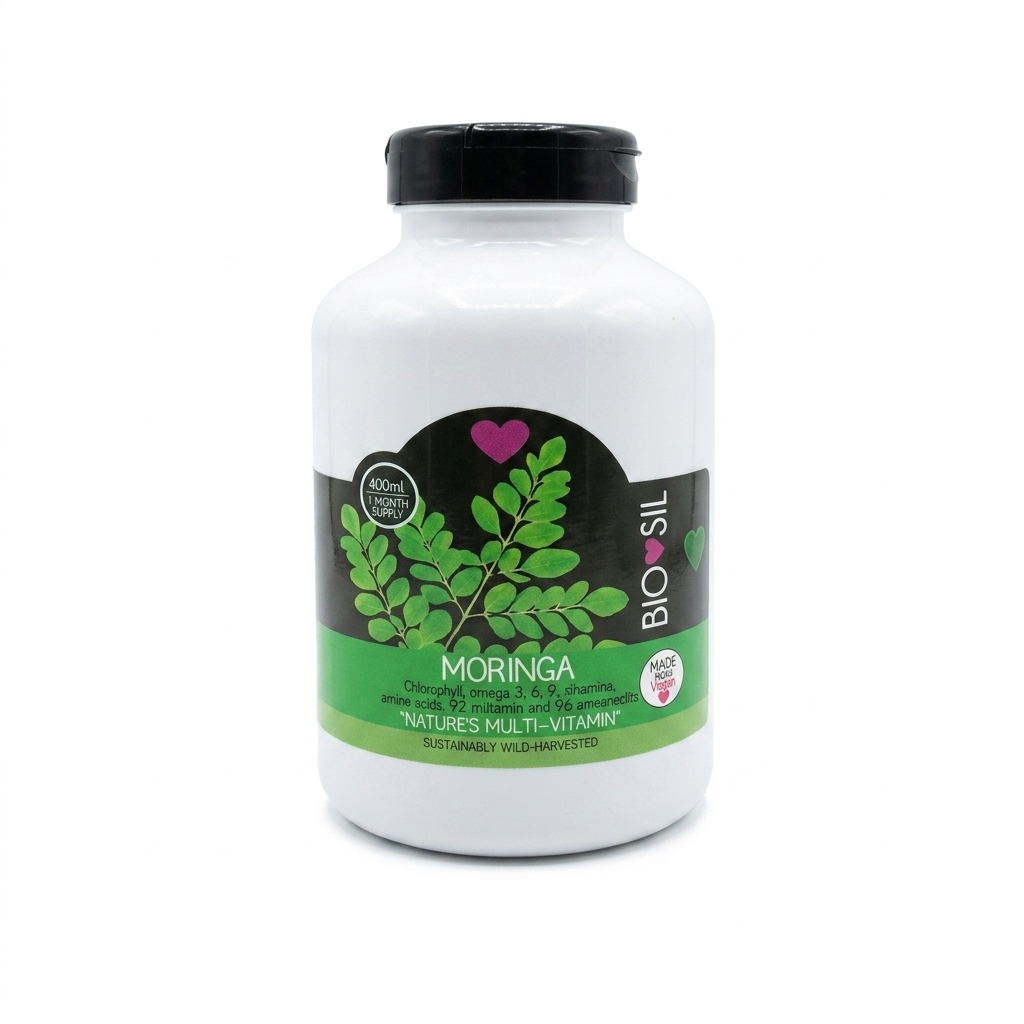
Although this plant was initially discovered for its beneficial properties thousands of years ago, only recently has Moringa become recognised as one of the most impressive herbal supplements to bless humanity.
