Welcome, Guest
Login/Register
18 Years of Research to Understand a Revolutionary Phenomenon
By Dr. h.c. Andreas Ludwig Kalcker, based on research by Dr. Dr. Ing. Martín Ricardo Ramírez Beltrán, Dr. Andreas Ludwig Kalcker, Dr. Orquidea Lopez Bravata, and Dr. Carlos Arturo Ramos Olán, FELMO Foundation of Electromolecular Medicine.
Author’s Note: This article synthesizes 18 years of clinical and experimental observations on chlorine dioxide solution (CDS) and its interaction with the gut microbiota. We will soon publish a peer-reviewed manuscript in a scientific journal, but here I share the key findings in accessible language for all.
These results suggest that CDS not only cleanses the gut of toxins and pathogens but also creates a favorable environment for healthy bacterial re-colonization. The absence of long-term negative effects reinforces the idea that CDS does not harm the microbiota but optimizes it.
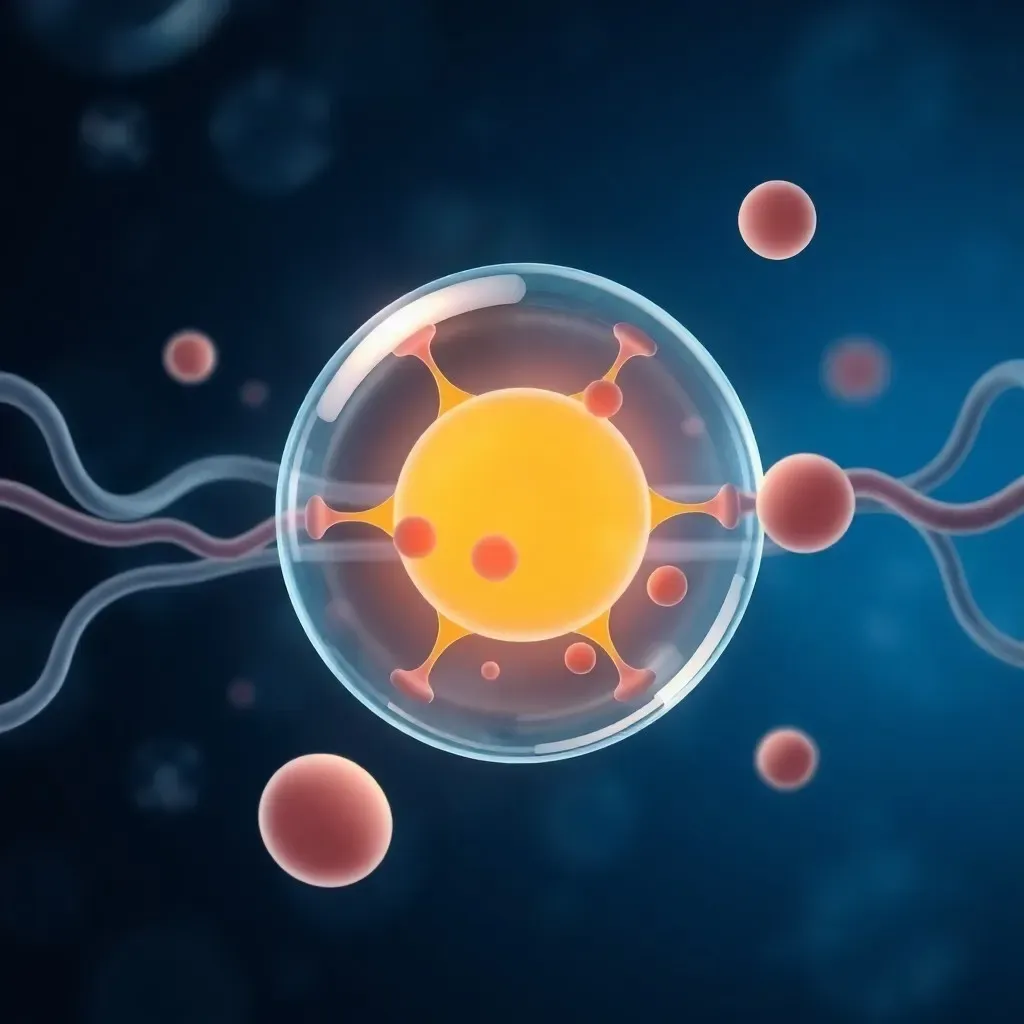
For nearly two decades, chlorine dioxide solution (CDS) has sparked passionate debates. While some view it as a promising therapeutic agent, others approach it with skepticism, particularly regarding its potential impact on the gut microbiota.
The central question is: How can an oxidizing substance like CDS, capable of eliminating pathogens in Petri dishes, avoid causing dysbiosis or lasting harm to the microbiota when used orally or rectally ?
The answer, which has taken us 18 years to fully understand, lies in a combination of chemistry, physics, and biology that challenges traditional assumptions about antimicrobial agents.
In this article, we explore why CDS does not negatively affect the microbiota, supported by scientific data, clinical observations, and a recent manuscript (Alterations in Luminal Redox Potential as a Biomarker of Intestinal Health: A Systematic Meta-analysis, Kalcker et al., 2025). We also discuss how protocols like the CDS enema (Protocol EC) and other applications have shown remarkable results in conditions ranging from cancer to autism, without the side effects associated with conventional antibiotics.

Chlorine dioxide solution (CDS) is an aqueous preparation containing chlorine dioxide (ClO₂), a gas dissolved in water at safe concentrations (typically 0.3% or less). Unlike antibiotics, which selectively target bacteria, CDS is a mild oxidant that reacts with specific molecules, such as thiol groups (-SH) and oxidizable residues in pathogens, viruses, fungi, and toxins. Its action is driven by physicochemical principles rather than biological specificity.
When CDS is ingested, its behavior in the body is governed by its nature as a dissolved gas. Upon reaching the stomach, the acidic environment (pH ~1.5-3.5) and body temperature (~37°C) cause the dissolved ClO₂ to begin evaporating. According to Fick’s law of diffusion, the rate of gas diffusion depends on the concentration gradient between the stomach and surrounding environment. This means most CDS is released as a gas in the stomach and either exhaled or neutralized before reaching the small intestine.
If a small fraction of CDS manages to pass into the duodenum, it reacts rapidly with oxidizable organic compounds (such as bacterial metabolites or toxins). Its half-life in a biological environment is extremely short, limiting its reach to the initial sections of the small intestine. Consequently, CDS does not reach the colon , where the bulk of the microbiota resides. This is the first reason it doesn’t cause dysbiosis: it simply doesn’t interact significantly with the bacterial communities of the large intestine when taken orally.
Antibiotics, such as ciprofloxacin or metronidazole, drastically alter the microbiota. According to the manuscript Impact of Medications and Antibiotics on Luminal Redox Potential (Ramírez Beltrán et al., 2025), antibiotics induce oxidative shifts in the luminal redox potential (ORP) of the colon, with increases of up to +100 mV, favoring the growth of aerobic bacteria like Enterobacteriaceae and reducing beneficial anaerobes like Faecalibacterium prausnitzii.
Additionally, by eliminating specific bacteria, antibiotics allow the overgrowth of fungi like Candida, which hinders the reestablishment of microbial balance. This effect can persist for months, as shown by Dethlefsen & Relman (2011), who reported incomplete microbiota recovery after ciprofloxacin use.
In contrast, CDS does not selectively target specific bacteria or create an “ecological vacuum” that favors fungi or other opportunists. Its oxidative action is non-specific and limited in scope, avoiding the prolonged imbalances characteristic of antibiotics.
Part 2: CDS Enemas: A Gut Reset Without Negative Consequences?

The use of CDS in enemas (Protocol EC) raises an even more intriguing question: if CDS eliminates bacteria, fungi, and viruses in the colon, why doesn’t it cause lasting dysbiosis? The answer lies in the unique dynamics of the large intestine and the microbiota’s immediate recovery capacity.
When a CDS enema is applied, the solution comes into direct contact with the luminal contents of the colon, from the rectum to the ileocecal sphincter, which separates the large intestine from the small intestine. In in vitro tests, CDS demonstrates a remarkable ability to eliminate pathogenic microorganisms, including bacteria like Enterococcus faecalis, Escherichia coli, Clostridium difficile, fungi like Candida albicans, and viruses. In a Petri dish, these populations are completely eradicated.
In the colon, CDS acts similarly, temporarily reducing the microbial load. However, unlike antibiotics, which persist in the body for days or weeks, CDS is neutralized inmediatly after reacting with organic matter. This results in a colon “cleansed” of pathogens and toxins but not permanently sterile. Astonishingly, clinical observations show that the microbiota fully recovers the day after a CDS enema, as if nothing had happened. Even with daily enemas for weeks, there are no signs of dysbiosis, inflammation, or altered intestinal motility.
The small intestine, particularly the ileum, harbors a diverse bacterial community that serves as a reservoir for repopulating the colon. The ileocecal sphincter regulates the flow of intestinal contents, and after a CDS enema, the colon receives inmedialtly a new “inoculation” of bacteria from the small intestine during the next bowel movement. Since CDS does not cross the ileocecal sphincter in significant concentrations, the small intestine’s microbiome remains intact, enabling immediate repopulation.
This phenomenon is analogous to the gut of a newborn, which rapidly colonizes after birth through exposure to maternal and environmental bacteria. In the case of CDS, the “cleansed” colon becomes a blank canvas that is repopulated with beneficial bacteria in less than 24 hours. According to Kalcker et al. (2025), the normal luminal redox potential (-200 to -280 mV) remains stable after CDS use, indicating that it does not induce the oxidative (+50 to +200 mV) or reductive (<-350 mV) shifts associated with pathologies like inflammatory bowel disease (IBD) or H₂S colitis.
CDS does more than eliminate pathogens; it also improves the intestinal environment. By reacting with toxins and harmful metabolites, CDS releases molecular oxygen (O₂), temporarily raising the partial pressure of oxygen (PO₂) in the colon to levels close to 10 mmHg, similar to those of a healthy gut. This oxygen increase supports the function of epithelial cells, which rely on efficient aerobic metabolism. As a result, we observe:

CDS has produced remarkable results across a range of conditions, from chronic diseases to neurodevelopmental disorders. Below, we explore some of the most significant findings.
The new Protocol EC (CDS drop enema) is detailed on dioxipedia.com and involves applying diluted CDS (10-20 ml of 0.3% solution in 1 liters of water) as an enema, typically overnight. This protocol has shown exceptional efficacy in:
Unlike intravenous treatments, which can cause unpredictable systemic effects, Protocol EC acts locally and produces no significant side effects, even with prolonged use.
One of the most striking findings of CDS use is its effect on children with autism spectrum disorder (ASD). In some cases, these children exhibited severe gut dysfunction, to the point that eating a lettuce leaf resulted in the excretion of the same leaf virtually intact, indicating an inability to process food due to inflammation or extreme dysbiosis.
The Protocol P (oral) combined with daily CDS enemas has shown promising results in these cases. In a group of children treated for 6-12 months, we observed:
These results suggest that CDS not only cleanses the gut of toxins and pathogens but also creates a favorable environment for healthy bacterial re-colonization. The absence of long-term negative effects reinforces the idea that CDS does not harm the microbiota but optimizes it.
After 18 years of research, we have reached a clear conclusion: CDS does not negatively affect the microbiota because its action is precise, localized, and transient. Unlike antibiotics, which disrupt microbial balance for extended periods, CDS cleanses the gut without leaving lasting consequences, allowing immediate repopulation from the small intestine’s bacterial reservoir.
CDS protocols, such as E, EC and P, have proven to be powerful tools in managing:
Our next step is to publish these findings in a peer-reviewed journal, aiming to standardize CDS use in clinical settings. We also advocate for the development of technologies like wearable sensors to measure ORP in real-time, enabling personalized interventions based on individual needs.
CDS invites us to rethink how we approach gut health. Instead of fighting pathogens with selective probiotic agents that foster resistance, we can use a mild oxidant that cleanses, oxygenates, and restores balance without harming the microbial ecosystem. This approach could transform the treatment of chronic diseases and open new doors due to electromolecular medicine.
Chlorine dioxide solution (CDS) is far more than an antimicrobial agent.
It is a tool that respects the complexity of the microbiome, acting with precision to eliminate pathogens and toxins without disrupting long-term bacterial balance.
Its ability to normalize luminal redox potential, oxygenate the epithelium, and facilitate immediate bacterial repopulation makes it a unique ally in the pursuit of gut health.
It has taken 18 years to fully understand this enigma, and today we are closer than ever to a complete picture.
The clinical results, backed by rigorous scientific data, suggest that CDS is not only safe but has the potential to revolutionize how we treat microbiota-related diseases.
As we await academic validation, I invite readers to explore these ideas with an open mind and consider the power of a clean, oxygenated, and balanced gut.
For those interested in learning more, visit dioxipedia.com to explore CDS protocols and their practical applications. For CDS testimonies you will find it in dioxitube.com
All the Best

Faithfully
Dr. h.c. Andreas Ludwig Kalcker
CDS (Chlorine Dioxide Solution) is available at this link :
https://biosil.co.za/shop/all-products/cds-chlorine-dioxide-solution/
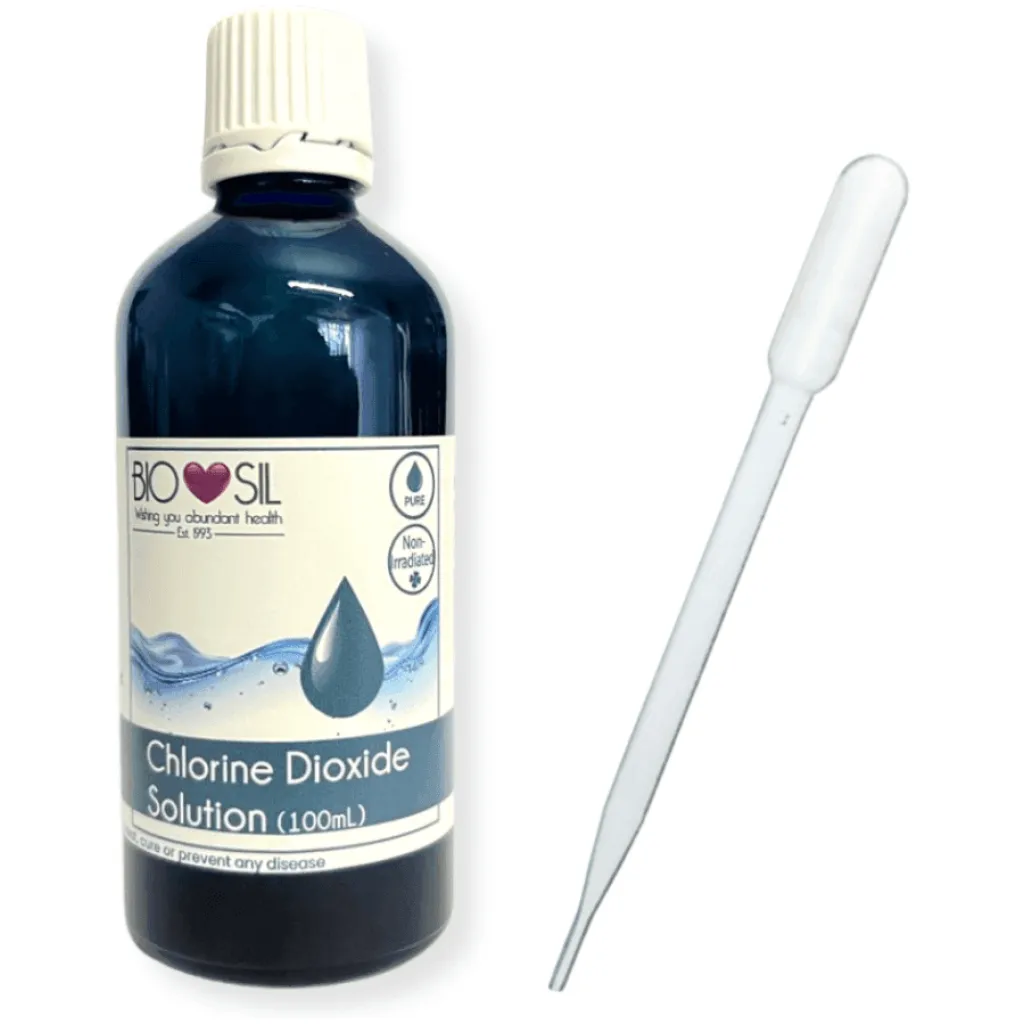
PLEASE NOTE : IMPORTANT ….. CDS must be refrigerated at all times to prevent it losing potency.
CDS is an advanced variant of chlorine dioxide (ClO₂) developed by Dr. Andreas Kalcker, used for therapeutic purposes and with fewer adverse effects than traditional solutions. CDS drops are ready to be added to pure water. Please take time to research the information provided here and at other accessible links.
